 Patch & Plant
Balcony Vegetable Garden: Grow Food in 20 Square Feet
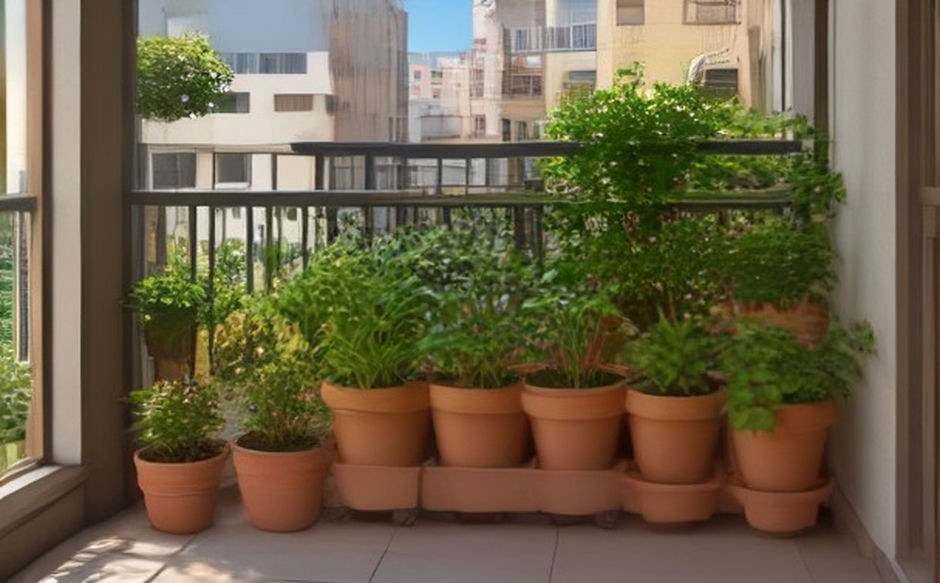
Twenty square feet sounds like nothing — until you grow in it. A sunny balcony, a fire-escape landing or a small patio can produce a steady supply of salads, herbs and cherry tomatoes all season, and it costs less than one weekly grocery run to set up. The secret is not buying more plants. It's picking the right containers, the right crops and a watering routine you can actually keep.
Time: One weekend afternoon (2–3 hours to set up) · Skill: Beginner · Cost: $40–$90 for the full setup
What you'll need
Containers
- 3–5 pots, 5–10 gallons each (tomatoes and peppers want 5 gallons minimum; lettuce and herbs are happy in 1–2 gallons)
- 1–2 rectangular window boxes or a fabric grow bag (great for salad leaves)
- Saucers or trays under every pot — your downstairs neighbor will thank you
- Optional: a wall-mounted rail planter or hanging basket for herbs
Materials
- 2–3 bags of quality potting mix (about 3 cubic feet total — never use garden soil in pots, it compacts into a brick)
- A bag of perlite or coarse bark, for drainage
- Slow-release vegetable fertilizer or a bottle of liquid feed
- A watering can with a rose head, or a hose with a gentle spray nozzle
- Plant labels and a marker — you will forget what you planted, everyone does
Container rule of thumb. Deeper is better than wider for most vegetables. A 5-gallon bucket with holes drilled in the bottom grows a better tomato than a shallow decorative pot three times the price. Cheap food-grade buckets, fabric grow bags and second-hand pots all work — what matters is drainage holes and enough soil volume for roots.
Step 1: Measure your sun before you buy anything
Vegetables are sun-hungry: most need 6+ hours of direct sun a day, and fruiting crops (tomatoes, peppers, cucumbers) want as much as you can give them. Spend one day watching your balcony and note which spots get sun, and when. South-facing is gold in the US; west-facing works; north-facing means leafy greens and herbs only, and that's still a good garden.
The weight check. A 5-gallon pot of wet soil weighs 40–50 pounds. A full balcony setup can weigh several hundred pounds. If your building has a balcony weight limit — many do — check it before you load up, and keep the heaviest pots near the wall, not the railing edge.
Step 2: Choose your containers and set them up
Put saucers under everything. Fill each pot with a mix of roughly 3 parts potting mix to 1 part perlite — the perlite keeps the mix open so roots can breathe and water drains instead of pooling. Leave 1–2 inches of space at the top so water doesn't spill over the rim when you water. Water the empty mix once before planting so it settles, then top it up.
Arrange tall plants at the back (against the wall), medium plants in the middle, and low, trailing plants at the front edge. This "stadium seating" means every plant gets light instead of the back row shading the front.
Step 3: Pick the 8 crops that actually work in pots
These are the most forgiving balcony crops — all of them are covered in more detail in our guide to the 10 easiest vegetables for beginners:
- Cherry tomatoes — one plant per 5-gallon pot; pick a compact "patio" or "bush" variety, not a sprawling indeterminate one.
- Lettuce and salad mix — cut-and-come-again: snip the outer leaves and it keeps producing for weeks.
- Radishes — ready in 25–30 days, the fastest win in any garden.
- Bush beans — no trellis needed, and they fix nitrogen into the soil as a bonus.
- Herbs (basil, parsley, mint) — mint gets its own pot, always; it will take over anything you plant it with.
- Peppers — one plant per 3–5 gallon pot; sweet peppers are easier than hot ones.
- Green onions — grow from seed or regrow from store-bought roots in a shallow pot.
- Cucumbers — one bush variety per large pot, with a small trellis or railing to climb.
Start with three crops, not eight. Three thriving pots beat eight struggling ones, and you can add more once the first batch is alive and producing.
Step 4: Plant and water the right way
Sow seeds at the depth on the packet (usually twice the seed's width), or set nursery seedlings at the same depth they were growing in their pots — burying the stem deeper rots it, except for tomatoes, which happily grow roots from a buried stem. Water gently until it runs out of the drainage holes, then stop.
The balcony watering rule. Pots dry out far faster than garden beds — in summer heat, a small pot can need water every single day. Water in the morning so leaves dry before night (wet leaves overnight invite disease). Stick a finger an inch into the soil: dry means water, damp means wait. A simple self-watering pot or a drip tray reservoir buys you a missed day without killing anything.
Step 5: Feed lightly and harvest often
Potting mix has about 4–6 weeks of food in it, then your plants get hungry. Feed every two weeks with a half-strength liquid vegetable fertilizer — half strength is deliberate, because overfeeding in a small pot burns roots fast. Picking is feeding too: the more you harvest lettuce leaves, beans and cherry tomatoes, the more the plant produces. Never let a tomato plant carry ten ripe fruit at once — pick them and it keeps flowering.
Mistakes that kill balcony gardens
- Too many plants in one pot. One tomato per pot. Two lettuce per window box. Crowding means weak plants and no harvest.
- No drainage holes. A pot without holes is a swamp — roots rot in days. Drill them if they're missing.
- Watering on a schedule instead of checking the soil. A rainy week plus daily watering drowns plants. The finger test takes five seconds.
- Ignoring the wind. Balconies are windy, and wind dries soil and snaps stems. A simple windbreak (a trellis, a board, even a row of taller pots) changes everything.
- Starting with the hardest crop. Skip cauliflower, corn and melons in pots. Grow the easy eight first, earn the confidence, then experiment.
A simple layout for 20 square feet
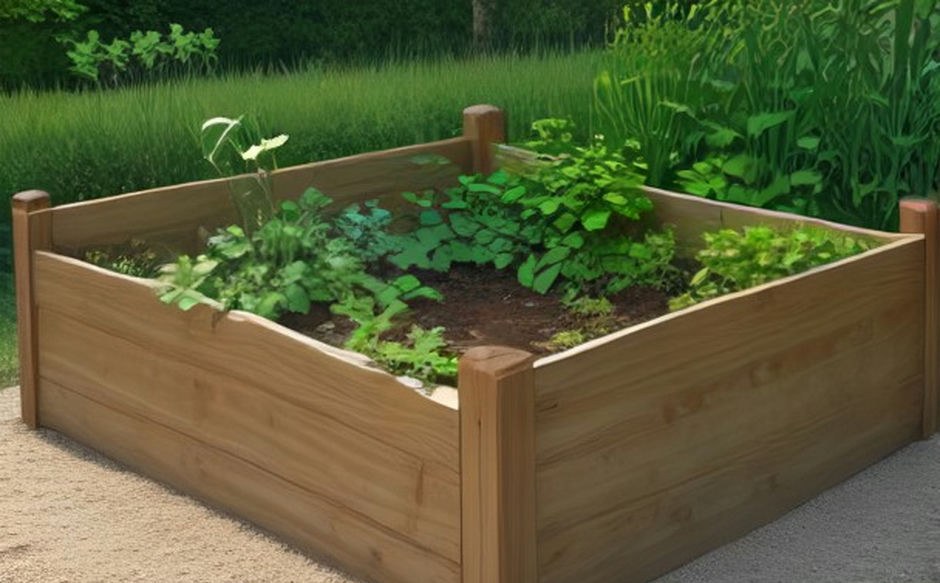
Put two 5-gallon tomato pots against the back wall, a window box of lettuce and radishes along the front rail, one grow bag of bush beans in a corner, and a hanging basket of herbs by the door. That's five containers, eight crops, and a salad a week from about the third week onward. If you have a yard as well, the same crops at full size belong in a raised garden bed — the balcony version is the same garden, just folded up small.
Twenty square feet, one afternoon, and a windowsill's worth of excuses gone. Start with three pots this weekend.
Get the Free Home & Garden Starter Checklist
The first-10-projects list, a season-by-season planting reminder and a notes page for what worked — one printable PDF, free.
Download the Free Checklist