 Patch & Plant
10 Easiest Vegetables to Grow for Total Beginners
Every confident gardener started with a first season — and the gardeners who kept going are the ones whose first plants actually produced something. That is the whole secret to choosing your first vegetables: pick the forgiving ones. The ten vegetables below tolerate imperfect watering, mediocre soil and beginner timing, and most go from seed to supper in under two months. Start with three or four of them, and you'll eat from your own garden this season.
Before the list, the only three rules that matter: full sun means 6+ hours of direct light (watch your space for a day if you're not sure); water deeply at the base, not a daily sprinkle from above; and feed the soil, not just the plant — a few inches of compost worked in at planting carries most of these through the season.
| Vegetable | Days to harvest | Sun | Difficulty | Best first variety |
|---|---|---|---|---|
| Radishes | 25–30 | Full sun / part shade | Easiest | French Breakfast |
| Lettuce (leaf) | 30–45 | Part shade OK | Easiest | Black Seeded Simpson |
| Green onions | 30–60 | Full sun | Easiest | Evergreen Hardy White |
| Bush beans | 50–60 | Full sun | Easy | Provider |
| Zucchini | 45–55 | Full sun | Easy | Black Beauty |
| Cucumbers (bush) | 50–60 | Full sun | Easy | Spacemaster |
| Cherry tomatoes | 60–70 | Full sun | Easy | Sungold or Sweet Million |
| Peppers (sweet) | 65–80 | Full sun | Easy–moderate | California Wonder |
| Carrots | 60–75 | Full sun | Moderate | Nantes Half Long |
| Potatoes (in bags) | 70–90 | Full sun | Easy | Yukon Gold |
1. Radishes — the confidence builder
Radishes are ready in about a month, which makes them the perfect first plant: you'll harvest something before doubt sets in. Sow seeds ½ inch deep and an inch apart, thin to 2 inches, and sow a short row every week so they don't all arrive at once. They prefer cool weather — in hot summers they bolt and turn woody, so grow them in spring and autumn.
2. Leaf lettuce — cut and come again
Loose-leaf lettuce beats head lettuce for beginners because you harvest the outer leaves and the plant keeps producing. It tolerates partial shade — the only vegetable on this list that does — which makes it ideal for balconies. Keep the soil consistently moist; dry lettuce turns bitter. A pair of scissors is your harvest tool.
3. Green onions — nearly impossible to kill
Plant sets (tiny bulbs) or seeds in any spare corner, pot or bed edge. Green onions ask for almost nothing, regrow after cutting, and a supermarket bunch with roots can even be replanted. They're the definition of a forgiving first crop.
4. Bush beans — big harvest, small footprint
Bush beans need no trellis, fix nitrogen in the soil, and produce heavily for weeks if you pick them every two or three days — picking is the encouragement to produce more. Sow directly after the last frost; beans hate transplanting and cold soil. Water at the base to keep leaves dry and disease away.
5. Zucchini — famously too much of a good thing
One or two plants is enough. Truly. Zucchini grows fast in warm weather and produces until you'll be leaving it on neighbors' doorsteps. Harvest at 6–8 inches — the giant ones are watery and seedy. Give each plant about 3 feet of space and water deeply; powdery mildew on leaves late in the season is normal and rarely worth fighting.
6. Cucumbers — choose the bush type
Vining cucumbers need a trellis and a plan; bush varieties like Spacemaster were bred for small spaces and containers. Cucumbers are mostly water, so consistent watering matters more than fertilizer — irregular watering is what makes them bitter. Pick often and small.
7. Cherry tomatoes — the gateway vegetable
If you grow one thing, grow this. Cherry types are far more forgiving than big slicers: they ripen earlier, crack less and keep producing. Buy a transplant rather than starting seed your first year, plant it deep (bury two-thirds of the stem — it roots along it), stake or cage it at planting time, and water at the base. Sungold is the variety gardeners argue about least: everyone agrees it's superb.
8. Sweet peppers — patience, then abundance
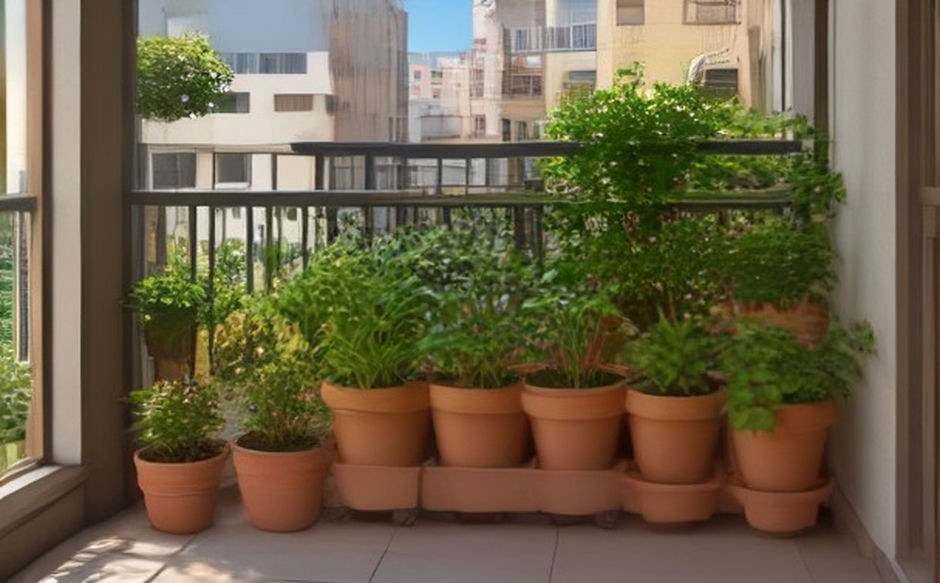
Peppers are slow starters and then relentless. Start with a transplant, give them your sunniest spot, and don't panic when the first weeks look static — the harvest comes in a rush late in the season. They also grow happily in 5-gallon pots on a sunny patio.
9. Carrots — the one with a trick
Carrots make the "moderate" slot for one reason: the seeds are tiny, germinate slowly, and the seedlings must be thinned or you'll grow twisted roots. The trick is soil — loose, stone-free and sandy if you can manage it — and keeping the seedbed moist for the full two to three weeks until sprouts appear (a board laid over the row, lifted daily to check, works beautifully). Nantes types forgive heavier soil better than most.
10. Potatoes in bags — no digging, no bed needed
Fill a grow bag or a bucket one-third with compost, set three seed potatoes on top, and add soil as the stems grow ("hilling up") until the bag is full. Tip it out at harvest — no digging, no forked potatoes, and it works on a patio. It's the most fun harvest on this list, especially with kids.
Where should you grow them?
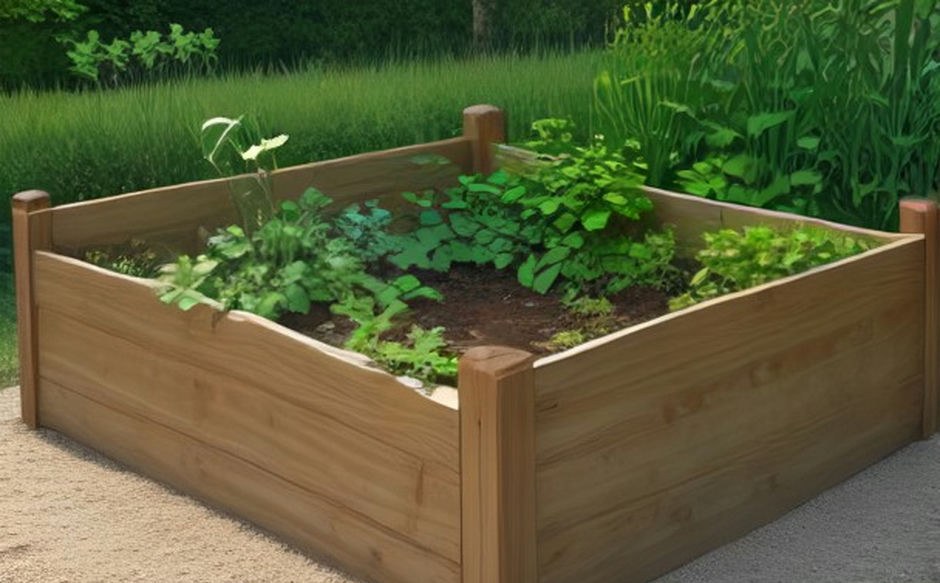
Almost everything above grows in containers, but the classic beginner setup — and the one that makes watering, weeding and soil-building easiest — is a single raised bed. If you don't have one yet, build it first: Build a Raised Garden Bed from Scratch is a one-afternoon project with beginner tools, and it was designed to pair with this list. Four of these vegetables in one 4×8 bed is a first garden that will genuinely feed you.
Your first-season game plan
- Pick 3–4 vegetables from the top half of the list — radishes, lettuce, bush beans and a cherry tomato cover every skill.
- Start small. One bed or four pots, done well, beats a whole yard done guiltily.
- Sow something every two weeks (radishes, lettuce, beans) so harvests stagger instead of flooding.
- Write down what worked. One notebook page per season is the difference between repeating mistakes and compounding skill — our free Home & Garden Starter Checklist includes a season-notes page for exactly this.
Get the Free Home & Garden Starter Checklist
The first-10-projects list, a season-by-season planting reminder and a notes page for what worked — one printable PDF, free.
Download the Free Checklist